Real estate photos, SEO, and the performance of your online listings are now inseparable: the way you produce, optimize, and integrate your visuals directly impacts your visibility on Google, on portals, and on your own website.
Why photo quality really influences SEO
Google’s algorithms, like those of major real estate portals, don’t see an image like a human. Yet visual quality has a measurable impact on signals these algorithms continuously evaluate: click-through rate (CTR), time spent on the page, bounce rate, interactions… In other words, better photos lead to better user behavior, which in turn sends positive signals to the search engine.
Many industry studies already show just how much visuals weigh on the commercial performance of listings. In particular, one can cite analyses that detail why photos play a central role in real estate agent performance. What’s interesting for you is that these same attractiveness levers also influence your SEO.
Photos that improve click-through rate
On Google Images, Google Discover, universal search, or enriched results (rich snippets, illustrated featured snippets), a photo thumbnail can make the difference between a click and a scroll. Sharp, bright visuals that are consistent with the user’s search greatly increase the likelihood of a click.
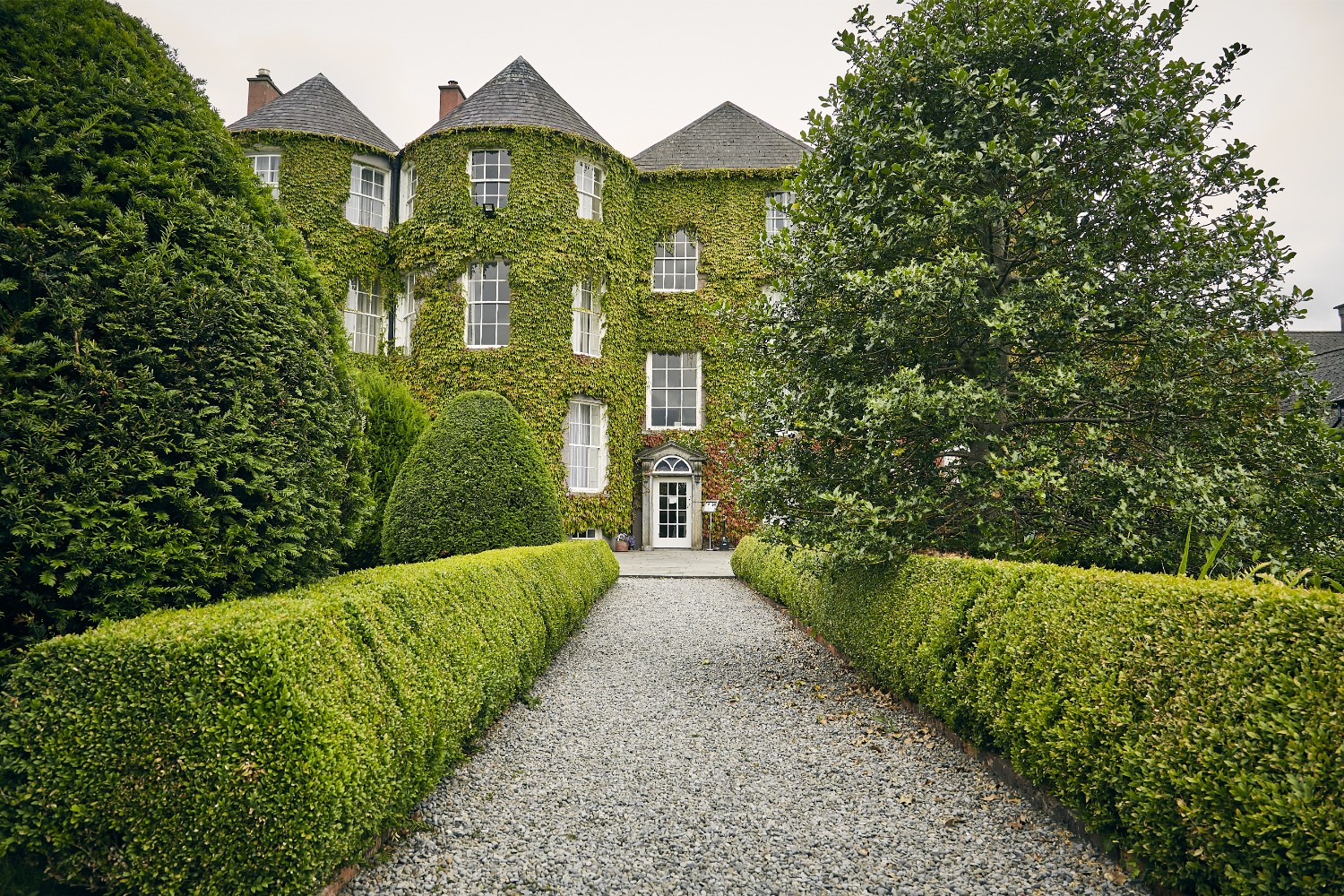
Yet CTR is one of the behavioral signals observed by Google: if your result, at an equivalent position, gets more clicks than average, it is often reassessed upward. Concretely, a real estate listing with high-quality visuals can gradually move up against less polished competitors.
Visuals that keep visitors on the page
SEO is no longer just about getting clicks, but about your page’s ability to keep the user engaged. A visitor who immediately closes the tab or returns to Google sends the algorithm a signal of non-relevance.
Professional photos naturally encourage the user to:
– scroll down the page to discover all the rooms; ;
– zoom in or enlarge the gallery; ;
– return to certain images to compare them; ;
– share the listing.
Result: time spent increases, bounce rate decreases, and overall engagement improves. Across a large volume of listings, this effect eventually translates into better rankings.
Image quality mistakes that tank your visibility
Most agencies still underuse the potential of visuals. Some studies also point out how much a large portion of professionals minimize the impact of photo quality, even though it is both a marketing and SEO lever.
Dark, blurry, or poorly framed photos
This type of visual has an immediate effect: the user leaves the page faster, views fewer images, and does not read the description. In SEO, this translates into:
– a lower average session duration; ;
– a decrease in the number of pages viewed per session; ;
– rarer micro-conversions (form clicks, calls, downloads).
Take advantage of an analysis of your current site
These quality-of-experience signals are integrated into the way Google evaluates your site over time.
Unbalanced or limited galleries
Another frequent mistake: offering only a few visuals or a series of redundant photos (the living room three times, no floor plan, no facade, no surroundings). Here again, the user leaves the page to look for a more complete listing, reinforcing the negative signals sent to the engine.
Conversely, a series of varied visuals that tell a coherent story of the property increases browsing depth and stimulates curiosity. Some players in the luxury real estate market also communicate precisely about the impact of images on the visibility of listings : the underlying SEO logic applies to all market segments.
Visual inconsistency and lack of credibility
Photos taken with different devices, inconsistent colors, distortions, excessive HDR: beyond aesthetics, this affects trust. Yet trust signals directly influence conversions (viewing requests, calls, forms). The more your pages convert, the more they are interpreted as relevant by the algorithms.
Optimize images for SEO: much more than resolution
Taking care with the photoshoot is essential, but insufficient. To truly influence your ranking, your images must be optimized technically and semantically. This is where a large part of the difference is made between a standard brochure website and a platform that becomes a real acquisition lever.
File size, format, and loading time
Google has clearly incorporated loading speed into its ranking criteria, notably through Core Web Vitals. And it is precisely images that weigh down real estate pages the most.
A few best practices:
– Systematically compress visuals (without perceptible loss); ;
– Use modern formats (WebP, AVIF) when possible; ;
– Adapt the size to the screen (no 6000 px photos displayed at 1200 px); ;
– Lazy load images located further down the page.
These optimizations improve speed, and therefore SEO, without sacrificing the quality perceived by the visitor. They are essential for pages listing several dozen listings.
Filename, alt attribute, and semantic context
An image well optimized for SEO is not limited to a nice rendering:
– The filename must clearly describe the content (e.g., appartement-haussmannien-paris-15-salon.jpg rather than IMG_4523.jpg).
– The alt attribute must provide a useful description, in natural language, also useful for people using a screen reader.
– The caption (if present) can reinforce the message and insert elements of location or typology.

This semantic layer allows Google to better understand the visual content and associate your pages with more relevant queries, including in Google Images.
Listing page structure and internal linking
The way your images are integrated into your pages also influences how bots interpret them. A well-structured gallery, a clear link between the visuals and the textual description, as well as relevant internal linking (link to advice content, to the agency page, etc.) contribute to the overall SEO strength.
These aspects are part of the best practices mentioned in the content on common SEO mistakes among agencies. The goal is not to consider the photo as a simple decoration, but as a content block in its own right, to be optimized in the same way as the rest.
How photo quality strengthens your entire digital strategy
The impact of visuals does not stop at the individual listing page. Quality photos can improve the effectiveness of your entire digital ecosystem: showcase website, blog, social networks, advertising campaigns, and even brand awareness.
An essential support for your editorial content
An agency blog or advice area that uses professional visuals boosts its traffic. Articles are shared more, generate more engagement, and create a positive halo effect across the entire domain.
Content best practices are detailed in certain guides dedicated to agencies, for example those that present the most effective editorial strategies to increase an agency’s visibility. In all cases, the principle remains the same: the more your pages combine useful content and impactful visuals, the more likely they are to rank at the top of the results.
A direct lever for lead generation
On capture pages (webinars, online estimates, guide downloads), integrating attractive real estate visuals has a strong effect on the conversion rate. This may include:
– staging properties similar to those of the target prospect; ;
– before / after showcasing your service; ;
– reassuring visuals conveying the quality and professionalism of the agency.
Take advantage of an analysis of your current site
These visual optimizations complement the tactics mentioned in the resources dedicated to generating qualified prospects for agencies. The impact is twofold: more leads and more interactions on pages that, well positioned thanks to SEO, become true appointment machines.
Landing pages and paid campaigns
Google Ads, Meta Ads, or portal campaigns often redirect to specific landing pages. If these pages display mediocre photos, the conversion rate drops, acquisition costs rise, and you waste part of your marketing budget.
Guides detail precisely how to structure an effective real estate landing page. The visual component is a pillar: high-quality images, aligned with the promise of the ad, make your campaigns more profitable and improve your domain’s overall performance (user signals, direct return rate, brand awareness).
Professional photography, AI, and new market standards
Buyer and seller expectations have evolved significantly. Virtual tours, professional shoots, and advanced retouching are no longer reserved for the high end. This movement is creating new standards, which have direct repercussions on your visibility.
Using a specialized photographer
Hiring a photographer specialized in real estate radically changes the perception of your listings: mastery of light, framing designed for the architecture, highlighting space, consistent post-processing. Many professionals now showcase this type of service, as can be seen on pages dedicated to photographic enhancement of properties.
From an SEO standpoint, this means:
– More visual consistency across the entire site; ;
– More spontaneous shares on social media; ;
– More potential inbound links (local media, blogs, partners) that share your most beautiful properties.

These quality backlinks strengthen your domain authority, a key criterion for organic search.
Artificial intelligence and improved experience
Artificial intelligence now plays a role in several aspects of the chain: automatic light retouching, perspective corrections, generation of virtual home-staging variants, object recognition to automatically describe certain photos, etc.
Used thoughtfully, it saves time while improving the consistency of your visuals, which benefits both the user and SEO. For the agent, it’s an evolution that fits into a broader movement where AI is gradually transforming transaction professions.
Measuring the impact of your photos on SEO
To move from an intuitive approach to a data-driven approach, it’s crucial to measure the real effect of your visual optimizations. A few concrete ideas:
Track key indicators in your analytics
Compare, over a sufficiently long period:
– The click-through rate from Google (Search Console) for pages where you have significantly improved the visuals; ;
– Time spent on page between listings with professional photos and standard listings; ;
– Bounce rate and number of pages viewed; ;
– Conversion rate (click on Contact, forms, viewing requests).
Significant differences confirm that your photo investments do translate into SEO and business gains. You can then prioritize the property segments or geographic areas where the effect is most pronounced.
Analyze your site’s overall performance
Beyond a few test listings, the goal is to assess the impact across your entire site: homepage visibility, organic traffic on category pages, growth in branded traffic (people who directly search your agency’s name), etc.
An analysis of this type often involves a global audit, which is not limited to visuals, but integrates them into a complete diagnosis of your digital ecosystem. If you would like an external and structured perspective, you can for example take advantage of an assessment of your site and your current listings to identify your areas for improvement.
Systematically integrate photo quality into your SEO strategy
For visual quality to become a real SEO lever, it must be integrated into your overall strategy, and not treated as a simple occasional extra.
Formalize a photo guidelines document for the agency
Take advantage of an analysis of your current site
Establish clear rules:
– Minimum number of photos per property type; ;
– List of required rooms and angles; ;
– Level of brightness and permitted retouching; ;
– Formats, maximum file size, target resolution; ;
– Process for naming files and filling in alt attributes.
These guidelines ensure consistency across your listings and make the marketing teams’ job easier, as they benefit from a solid foundation for their SEO efforts.
Tie your photo efforts to the other visibility levers
The quality of your visuals must be aligned with:
– Your content strategy (guides, articles, videos); ;
– Your lead generation plan; ;
– Your presence plan on portals and social networks; ;
– Your online advertising campaigns.
By working on these levers consistently, you create a virtuous circle: your content is more engaging, it ranks better, generates more contacts, which gives you more resources to invest in visual quality, etc. This type of integrated logic is at the heart of the approaches detailed in guides dedicated to real estate lead generation, which insist on the need to make all the components of your ecosystem work together.
Conclusion: the quality of visuals, a profitable SEO investment
The rise of user signals in search algorithms has changed the game: it’s no longer just tags, links, or technical aspects that make the difference, but the overall experience you offer the internet user. In this context, the quality of your visuals becomes a key factor in competitiveness.
Well-crafted photos catch the eye, generate more clicks, retain visitors better, inspire more trust, and make conversion easier. All these elements translate into positive signals for search engines, which reward pages deemed useful and engaging.
For an agency, making photo quality a pillar of its digital strategy means treating each listing as genuine content in its own right, just like a blog post or a service page. It’s also a concrete way to stand out in a saturated market, where many players continue to underestimate the real weight of visuals in their online performance.
By aligning your photography practices with your SEO strategy, measuring the impact of your optimizations, and integrating them into an overall vision of your digital presence, you turn a cost item often perceived as cosmetic into a measurably profitable investment for your visibility and your revenue.





 Français
 English
 Español
 Italiano